
The Rev’d Lucy Nguyen
7:30 am, 6 September 2026
Readings: Isaiah 55:12–13, Psalm 96, Colossians1:15-20 , Matthew 8:23-27
From 1 September World Day of Prayer to 4 October 2026 the Feast of St Francis of Assisi, the patron saint of ecology. Christians around the world will observe the Season of Creation, an ecumenical celebration dedicated to prayer, reflection, and action for God’s creation. It is a reminder as all of our church seasons are of many ways and stories of God in our world before us and now in our own time.
This morning I simply offer a reflection on each of our readings through the lens of creationtide as we begin this season.
Care of creation thought from our first reading:
It is believed that the prophet Isaiah wrote these words [55:12–13] to offer hope, comfort, and a promise of restoration to the Israelites enslaved in Babylon during the 6th century BCE. The phrase “you shall go out in joy and be led forth in peace” promised the captives that their time in Babylon would end with a triumphant, peaceful journey back home.
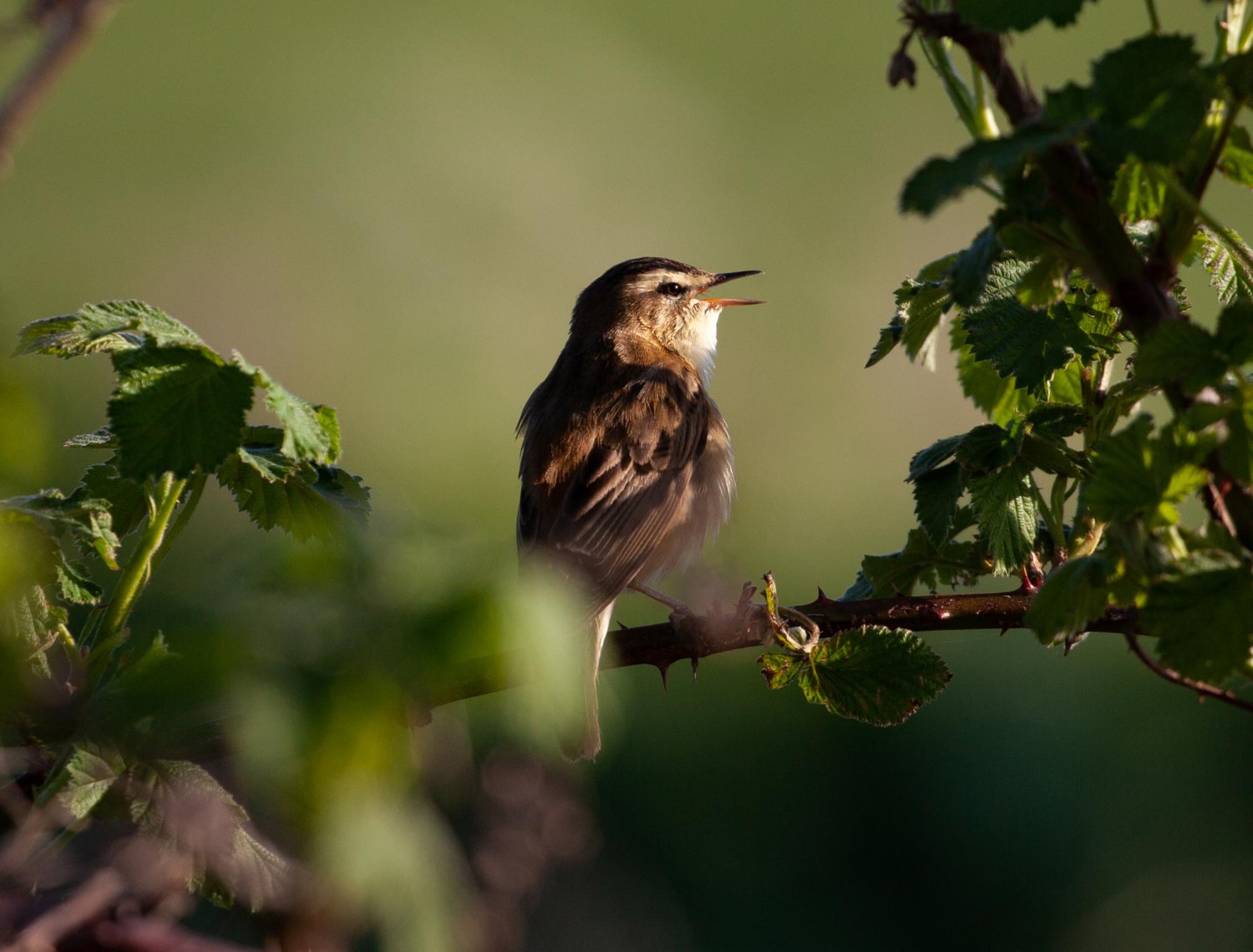
The image of mountains singing and trees clapping their hands is poetic language. It shows that the rescue of God’s people will be so wonderful that even creation itself will celebrate.
The replacing thornbushes with junipers and briers with myrtles symbolizes God transforming a painful, ruined situation into something fruitful and life-giving.
These verses were written to prove God’s enduring faithfulness and to show God’s power to restore what was broken and all of creation, not just humans respond to God’s restorative powers. Humanity and what we call creation are intertwined and both respond to God our Creator.
Care of creation thought from our Psalm:
Psalm 96 is recognised as a foundational passage for Christian environmental ethics and the theology of creation care. It too shows that the natural world has its own unique relationship with God. It’s not just about “us”.
Care of creation thought from our second reading:
In this reading from Paul’s letter to the Colossians we see in the first few verses there is an invitation to understand God’s sovereignty in the terms of God as the ultimate authority, and, in creation, God granted some amount of this authority to God’s creatures – humans and spiritual beings.
Now ideally, God’s creatures would have exercised this given authority by trusting and obeying their creator. Instead, they rebelled. And through that rebellion, they turned away from God.
What are we to do? Well, verses 18-20 brings us to Christ’s work in reconciliation – bringing together.
Christ is the head of the body, the church. And we are – the body of the church. Christ seeks to bring us together to do the work of reconciliation – to feed the hungry, cloth the naked, shelter the homeless | love God, love others, love yourself | do unto others as you would have them do unto you | walk humbly with your God – pick your favourite and go with it!
We are to trust in the power of the Jesus who stands with the Creator and the Spirit in creation, who seeks to reconcile once again all of creation to Godself. (Colossians 1:15-20 (part 1) | The Slasher Pastor)
Active trust in the power of Jesus looks like reconciliation.
It does not look like forgetting about the body, ignoring creation and the creator, and feeding the fires of the commerce and profiteers!
Care of creation thought from our Gospel:
Matthew 8:23-27 – boats on the water … Another passage suggesting what we are not to do … We read the words of Matthew through the lens of knowing that we are currently in a spin-out of creation, we may be feeling “swamped by the endless waves of bad news” –
We are not called to panic and jump out abandoning all hope. We are reminded to stay engaged even deepen our engagement of reconciliation and our faith in trusting that God is in it and that God will / does make the difference.
Here are 2 more biblical text for our 1st Sunday of Care of Creation as I’ve been to SYNOD
SYNOD’S SERMON, ARCHDEACON PETER JENKINS
The Gospel text for Thursday was Luke 5:1-11.
Jesus was standing by the Lake of Gennesaret (Sea of Galilee) teaching a crowd. He saw two boats at the shore, with fishermen washing their nets. Jesus entered Simon Peter’s boat, asked him to push out slightly, and taught the people from the boat. Afterward, He instructed Simon to let down the nets into deep water. Despite having caught nothing all night, Simon obeyed, and they caught such a large number of fish that their nets began to break. They called their partners, and both boats were filled to the point of sinking. Astonished, Simon Peter fell at Jesus’ knees, acknowledging his sinfulness. Jesus reassured him, saying, “Don’t be afraid; from now on you will fish for people.” Simon, James, and John left everything and followed Him (Luke 5:1-11
Archdeacon Peter – encouraged us all – to “throw the net again”. We can get tired and give up or stay and engaged and be surprised. This reading emphasizes that faith and obedience to Jesus can lead to spiritual abundance, and we need to remind ourselves that the following Christ requires humility, trust, and willingness to leave behind worldly securities. Communities of faith can be transformative. We’re not being asked to go out and do solo fishing –we are in it together, together to face what is before us – to throw out the nets of FAITH and care for the waters and all creation.
2nd SYNOD biblical text for our Care of Creation Reflection:
SYNOD – an extract from the BISHOP’S CHARGE
FAITHFUL AND FRUITFUL – DISCERNING FRESH DIRECTION
“Over the last couple of years, we have been working together on a fresh direction for the Diocese and opportunities to do things differently, more collaboratively, and with new initiatives.
Last year’s Synod demonstrated that emerging plans were not meeting expectations. The Diocesan Council took that very seriously and gathered in special strategy sessions at the end of last year and early in this new year.
The result has been the developed strategy which we have themed as “Faithful and Fruitful.” The theme finds its source in the John 15 image of the vine, where Jesus urges followers to faithfully abide in the vine so that God can bring forth fruitfulness in our lives.
Much more thought has been given as to how to implement Synod motions from 2024.
The vision statement that has been created to express that is:
To enable the Church to embody its faith in the Gospel and trust in God by:
- Enabling parishes to be effective expressions of local church;
- Creating opportunities for new forms of ministry.
Three working groups have been established to:
- consider the resources available to us to undertake that work;
- to give fresh consideration to the parish structure and collaboration;
- to identify the mission and ministry priorities which must guide our life for the next 5 years.
While Synod is doing their work what will we do?
• Pray for the care of creation and for communities facing environmental challenges.
• Learn about the importance of water, ecological justice, and our Christian calling to be stewards of God’s creation.
• Take action through sustainable lifestyle choices, water conservation, community clean-ups, or environmental initiatives.”
Let us in this season of Creation – discover or refresh our own thinking, engagement and prayers and together Sing to the Lord a new song – and all the trees of the field shall clap their hands! Amen